Brando Crespi — Client-Facing
Executive Chairman, Global BioCarbons & Global Fresh · Co-Founder, Pro Natura International (PNI)

BrandoCrespi

I turn ecological insight into companies, institutions, and programs that last.

For forty years, I have built environmental ventures and programs across 63 countries, helping mobilize €1.6 billion and improve seven million lives.

Today my focus is decarbonization at scale: building Global BioCarbons and working with a small number of companies, investors, and institutions on climate and food security strategies, capital, and growth.

Talk with Brando Explore Global BioCarbons →

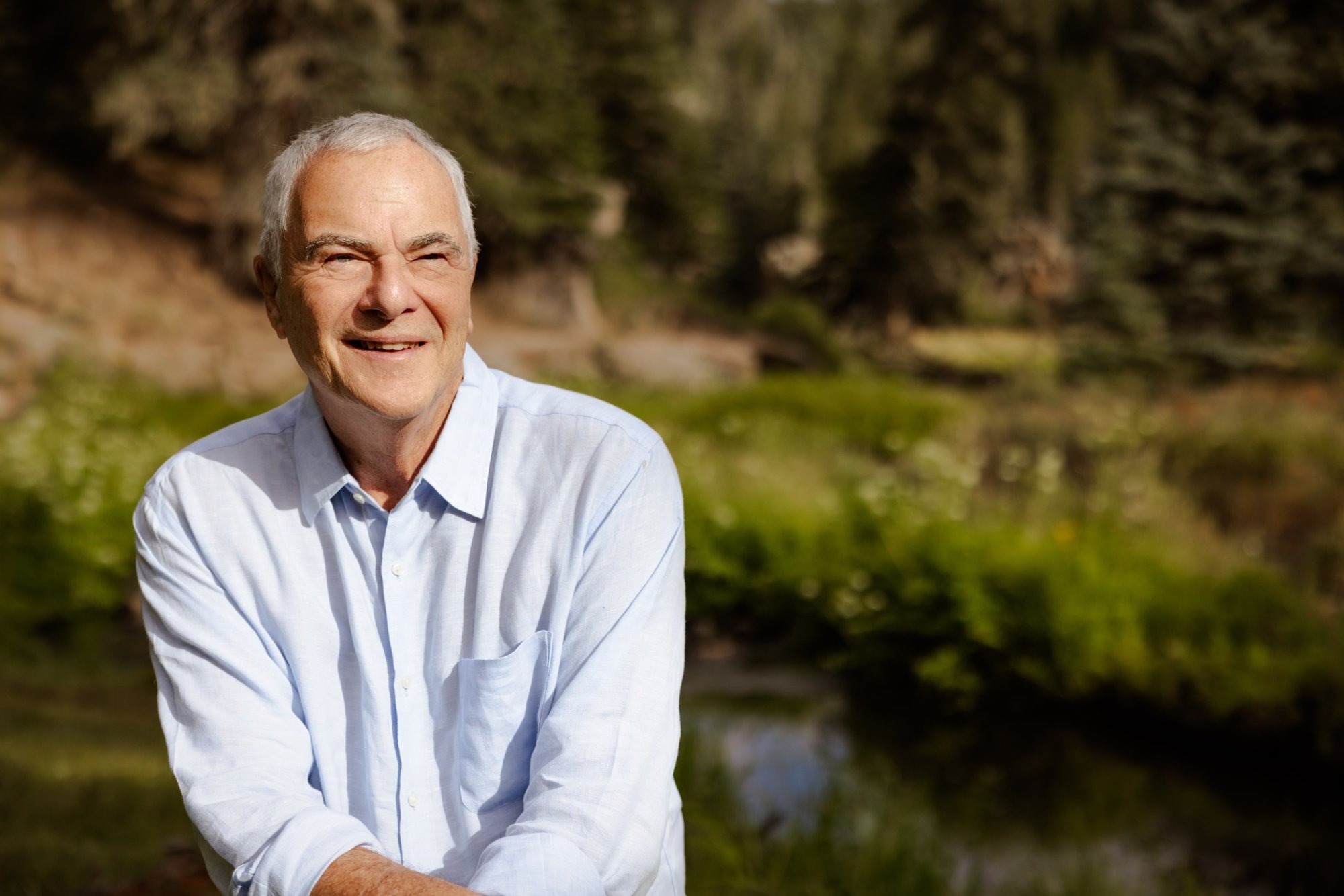
Brando Crespi smiling beside a mountain stream
Brando Crespi · Photograph by Chloe Crespi
Work with me

Two doors, four ways in

1

Industrial Decarbonization

Biocarbons for plastics, rubber, and composites

Engineered carbon-negative biocarbons designed to replace petroleum-derived carbon black and mineral fillers, alongside biochar, carbon removal, and biomass solutions.

Through Global BioCarbons →
2

Strategy & Capital

For climate companies ready to scale

Positioning, capital strategy, investor relations, and international go-to-market for companies with real technology, and a difficult story to tell.

Currently advising: ActivaTec, on capital strategy, investor relations, and go-to-market for TecSilo.
3

Chair & Board Roles

Strategy with governance attached

Executive and non-executive leadership for ventures that need a network, institutional experience, and an operator's perspective.

Currently: Executive Chair of Global Fresh, a foundation putting sealed, power-free grain storage in the hands of smallholder farmers, who lose up to 40% of their harvest to spoilage and pests.
4

Program Design

For governments, NGOs, and foundations

Landscape-scale agroecology, biochar, and restoration programs designed around community ownership and measurable results.

Partnering with the Sangre de Cristo Regional Renewal Corporation, a million-acre wildfire and watershed program in northern New Mexico, to advance ecological restoration and economic development across the region.
Across cultures

The skill underneath the other four

Born in Switzerland, raised in Rome, educated in Switzerland, England, and the United States, based in Paris for much of my career, and a citizen of Italy and Brazil, I have spent forty years in the rooms where cultures meet: Amazonian villages and Parisian boardrooms, Sahelian women's councils and Beijing ministries, the African Union and Wall Street. Every project in those 63 countries depended on being understood, and on understanding, across that table.

For a client, that means a partner who can carry a proposal from a founder in Lagos to an investor in Geneva without losing what matters to either, who knows when a "yes" is a courtesy and when a silence is an answer, and who builds the trust that international projects run on.

Languages
Italian, English, and French (native) · Spanish and Portuguese (fluent)
Nationality
Italian and Brazilian; US Green Card holder; born in Switzerland, raised in Rome
Worked in
63 countries across the Americas, Europe, Africa, and Asia
Bases
New York, Santa Fe (NM), Paris, Rio de Janeiro
Counterparts
Indigenous and village communities, ministries, multilateral banks, luxury houses, industrial groups, family offices
Global BioCarbons · Since 2024

Decarbonization at scale

What can Global BioCarbons do for you? It depends on where you stand.

Manufacturers

Replace fossil carbon in materials.

If you make plastics, rubber, or composites, we develop engineered biocarbons designed to replace petroleum-derived carbon black and mineral fillers.

Biomass owners

Turn a disposal problem into a carbon asset.

Wildfire-damaged timber, forestry waste, agricultural residues, and, next, sargassum can become biochar and advanced carbon products.

Carbon buyers

Remove carbon durably.

Pyrolysis converts biomass into stable carbon, creating verified carbon-removal opportunities alongside useful products.

Investors

Invest in carbon infrastructure that produces something.

Our model combines three potential revenue streams: biomaterials, biochar, and carbon removal.

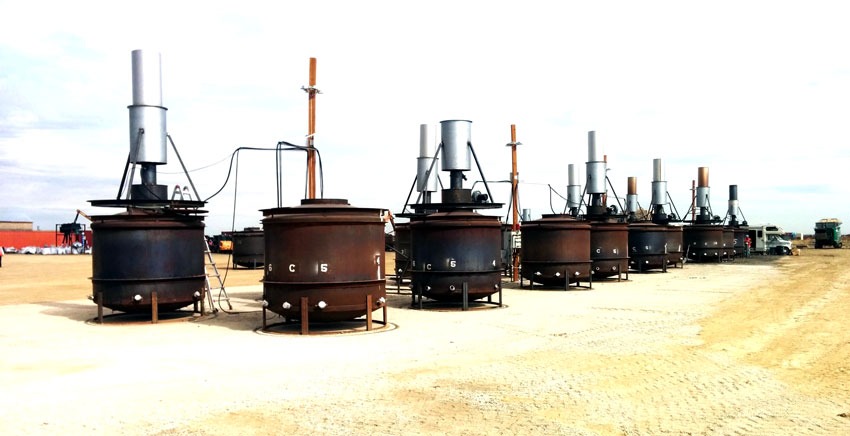
A row of pyrolysis kilns with emissions stacks on an open work site
Modular pyrolysis kilns with emissions-control stacks: the technology Global BioCarbons deploys under license
The technology

Forests burn. Agricultural residues rot or are burned. Sargassum accumulates on beaches. We see feedstock.

Pyrolysis heats biomass without oxygen and converts it into biochar: stable carbon that can remain out of the atmosphere for centuries. Our modular systems, deployed at the source under an exclusive technology license covering 17 patents, run a slow pyrolysis cycle above 1,250°F for roughly ten hours and go to the biomass rather than trucking low-value material to a distant plant, yielding a carbon content of 92–94%.

From that carbon we create three potential revenue streams: advanced biocarbons, biochar, and carbon removal. The process is certified ISCC+, EPA Superfund, USDA BioPreferred, OMRI, and EU-approved — one of the only producers to hold all five.

Goal
Decarbonize industrial materials at scale
Feedstocks
Wildfire-damaged and waste forest biomass; agricultural residues; sargassum (next)
Revenue
Advanced biocarbons for plastics and composites; biochar; carbon removal (AXA-insured removal credits)
R&D
Los Alamos National Laboratory (biomaterials research on engineered biocarbons for plastics and composites); Sandia National Laboratories
Team
Brando Crespi, Executive Chairman · Jim Butcher, CEO · Clayton Turner, CTO
Where
New York; Santa Fe, NM; Mexico; and Brazil
Selected work · PNI, 1985 to today

Four projects that shaped how I work

I co-founded Pro Natura International (PNI) in Rio de Janeiro in 1985 and have served as its Executive Vice Chair and Head of Strategy since. These are the four projects I would put in front of any client.

63countries
€1.6Bmobilized
7Mlives improved
2M+trees planted
3M+biological samples
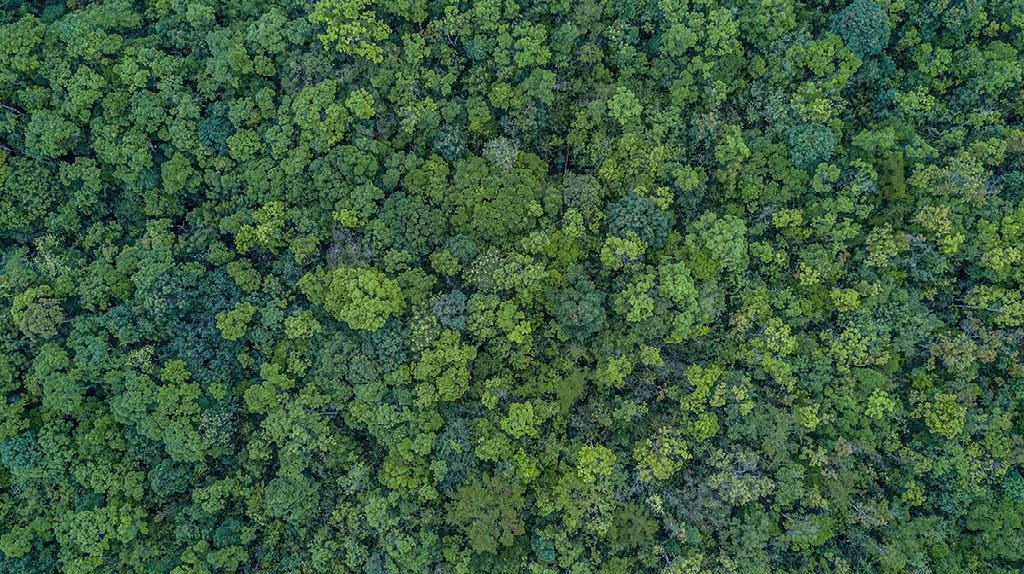
Aerial view of dense rainforest canopy
Juruena region, Brazilian Amazon · Photograph by Pro Natura

The Juruena carbon sink

In 1986, PNI began a fifty-year plan for the protection and sustainable development of Juruena, one of the seven most damaged areas of the Amazon. In 1997, as part of that plan, I helped structure one of the earliest large private carbon sinks: more than two million trees planted in the Brazilian Amazon with France's National Forestry Office to offset Peugeot's emissions. The project has sequestered more than one million tons of carbon and helped reveal more than 100 species new to science.

Juruena is part of that fifty-year PNI development program in the Brazilian Amazon, of which the carbon sink is one chapter.

What it taught me: a forest lasts only when the community around it has a stake in its survival.

2M+ trees · 1M+ tons of carbon sequestered

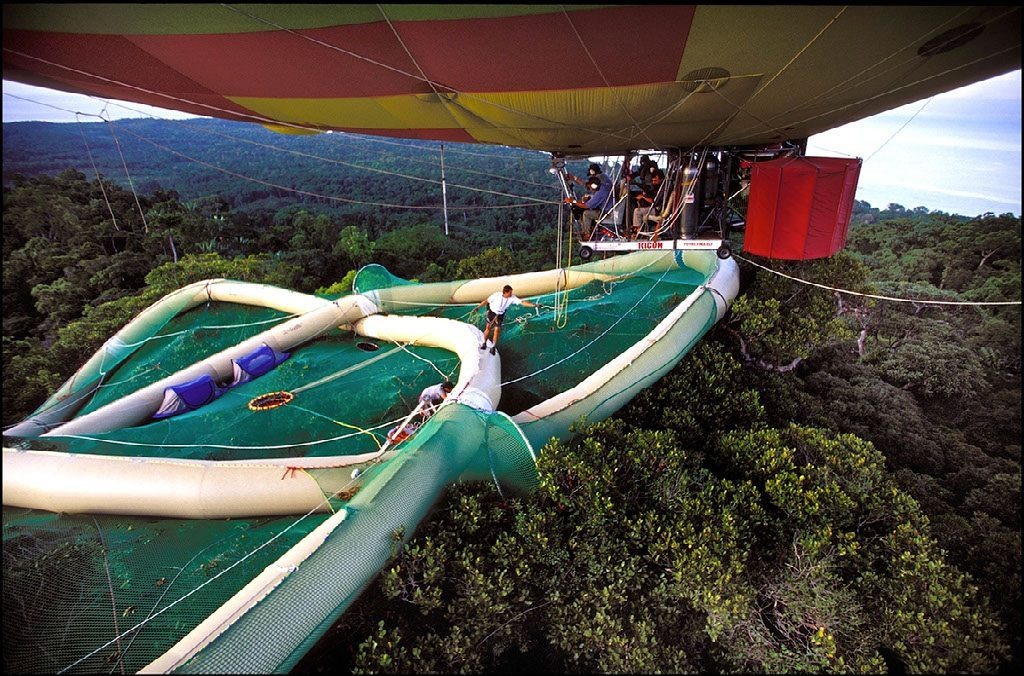
A canopy raft resting on the treetops of a rainforest
The canopy raft, set down on the treetops by airship · Photograph by Pro Natura

Thirteen expeditions into a world almost no one had studied

Most rainforest life exists high in the canopy. Beginning in 1989, I helped PNI conceive, fund, and lead thirteen scientific expeditions using an inflatable raft delivered by airship onto the treetops.

3M+ biological samples · 13 expeditions · 180 scientists on the largest

Paris' Muséum national d'Histoire naturelle was the expeditions' lead scientific partner, alongside the Smithsonian and Kew; the work also produced Biodivalor, an ethical bio-prospecting framework, and three Givaudan "Scent Trek" expeditions searching for new fragrances in the world's canopies, which won the Fragrance Foundation's 1999 FiFi Award for Innovation.

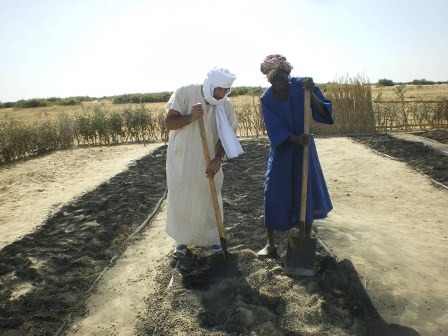
Two men in the Sahel working biochar into a garden bed
Working biochar into Sahelian soil · Photograph by Pro Natura

The Great Green Walls

China → Africa → finance

In 2007 I was invited to Beijing to collaborate on China's Three-North Shelterbelt, the world's largest man-made forest. That work led to advising the African Union on Africa's 8,000-kilometer Great Green Wall and, ultimately, to a central problem: how to move restoration capital to the ground.

In 2022, I launched the African Great Green Wall DAO with the African Union in New York to address their financing gap.

Read more

Along the way I co-created the African Soil Initiative in 2019 and the PNI–ICRAF alliance in 2020, a program designed to sequester 600 million tons of CO2-equivalent over twenty years while tripling ten million incomes.

Along the way I co-created the African Soil Initiative in 2019 and the PNI–ICRAF alliance in 2020, a program designed to sequester 600 million tons of CO2-equivalent over twenty years while tripling ten million incomes.

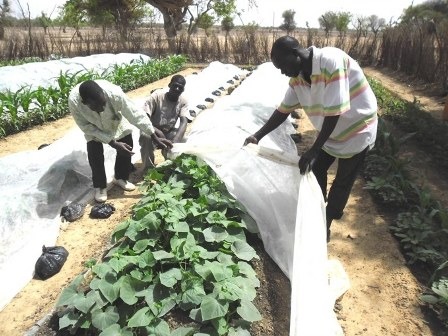
Farmers lifting row covers over vegetable beds in a Sahel garden
A Super Vegetable Garden in the Sahel · Photograph by Pro Natura

The Super Vegetable Garden

60 m²feeds a family of ten
1.5 tof vegetables a year
80%less water
2 hrsof work a day
20+countries

Raised beds, row covers, drip irrigation, and a single charge of biochar, often combined in the Sahel with camel dung. I have helped PNI fund and develop this program since 2001, and the gardens now stand in more than twenty countries.

"The work being undertaken by Pro-Natura to push this exciting technology forwards, while benefiting smallholder farmers, is therefore an important effort, which will help to provide the experience and knowledge required to bring this technology to its full potential." Prof. Dominic Woolf, Cornell University, on PNI's biochar program
What I've learned

Two ideas I bring to every engagement

Forty years of projects that worked, and some that did not, come down to two convictions.

The community has to own it, or it will not last.

Wherever we handed out garden kits and moved on, the beds went to sand within two seasons. Wherever we began with the community, the long meetings under the tree, the women's group choosing the site, local trainers instead of flown-in experts, the gardens multiplied on their own. Every project I design starts with people before plants.

Ecology belongs inside the product, not beside it.

Sustainability that asks people to sacrifice does not scale; sustainability that makes the product better does. I carried the same idea into materials as a co-founder of Polymateria, a biodegradable-plastics company, and carry it further now at Global BioCarbons, engineering biocarbons to replace fossil carbon in plastics itself.

"Pessimism of the intellect, optimism of the will," said Antonio Gramsci. To that I add the power of imagination. When we wanted to study the rainforest canopy, we designed flying machines; when we wanted to feed a family of ten on sixty square meters of Saharan sand, we reached for a technology the Amazonians invented two thousand years ago. From my opening remarks to the African Union's Great Green Wall meeting, Concordia Summit, New York, September 2022
Timeline

Forty years, in order

Born in Switzerland, raised in Rome; Italian and Brazilian. Educated at Georgetown University in anthropology and economics.

  1. 1978

    Brando Crespi & Associates

    Luxury communications: Hard Rock Café, Rodeo Drive, Ferragamo, Fendi, Zegna.

  2. 1985

    Pro Natura International

    The move from marketing to ecology and development.

  3. 1986

    Fifty-year plan for Juruena

    PNI began a fifty-year plan for the protection and sustainable development of Juruena, one of the seven most damaged areas of the Amazon.

  4. 1989

    First canopy biodiversity expedition

  5. 1993

    Internationalized Pro Natura, headquartered in Paris

  6. 1997

    Juruena, an Amazonian development and carbon sink project & Mitchell Prize

    Planted more than two million trees in the Brazilian Amazon with France's National Forestry Office to offset Peugeot's emissions, creating what was then the world's largest private carbon sink. The same year, PNI won the U.S. Academy of Sciences' Mitchell Prize, often called the "Nobel of Sustainability."

  7. 1999

    Armani Eco-Jean & hemp cosmetics at L'Oréal

  8. 1999

    Began funding green charcoal in Senegal

    Funded the creation of PNI's CarboChar, a continuous-carbonization pyrolysis technology, turning crop residues into clean "green charcoal" in Senegal.

  9. 2000

    CarboChar wins the Altran Prize; biochar enters the toolkit

    The following year, the technology won France's Altran Foundation prize for innovation, and biochar formally entered Pro Natura's climate-smart agroecology programs.

  10. 2001

    Super Vegetable Gardens & biochar in climate-smart agroecology

    Sixty square meters of biochar-charged beds that feed a family of ten in the Sahel; the program now stands in more than twenty countries.

  11. 2007

    China's Great Green Wall

    Called to Beijing to collaborate on the Three-North Shelterbelt Program: 4,500 kilometers of planted forest, the largest man-made forest on Earth, holding back the Gobi and Taklamakan deserts and shielding Beijing from dust storms.

  12. 2015

    Co-founded Polymateria

    A UK deep-tech company behind Biotransformation, an additive that causes plastic packaging to fully biodegrade in the natural environment within two years, leaving no microplastics and requiring no change to a manufacturer's tooling.

  13. 2019

    Climate Smarts and One Million Forests

    Founded the Climate Smarts consulting practice and launched One Million Forests, combining biochar, climate-smart agroecology, and monitoring technology for global reforestation.

  14. 2020

    Founded Biochar do Brasil

    Brought biochar production back to the country where terra preta was first made.

  15. 2021

    Chief Sustainability Officer, Santa Fe Farms

    Carbon-farming protocols and a biochar loop for industrial hemp.

  16. 2022

    Co-founded Greembers, Nigeria

    Green charcoal and biocoal from crop and forestry residues.

  17. 2024

    Co-founded Global BioCarbons

    Modular pyrolysis turning waste and wildfire-damaged biomass, and soon sargassum, into biochar and advanced biocarbons designed to replace fossil carbon in plastics.

  18. 2026

    Executive Chair, Global Fresh

    Stepped in to launch a foundation putting TecSilo's power-free grain storage into the hands of smallholder farmers, who lose up to 40% of their harvest to spoilage and pests.

The full story, with the expeditions and photographs →

Watch

See the work

Brando Crespi on the BOMA France stage
BOMA France · Talk

How to return greenhouse gas levels to the 1950s

The climate strategy behind this work: biochar, agroecology, and carbon that stays put.

Watch the talk →
Contact

If you are building something that has to last, let's talk.

If you're:

  • building a climate company,
  • decarbonizing a product,
  • dealing with difficult biomass,
  • raising strategic capital,
  • building an environmental program,
  • taking a venture across borders and cultures,
  • or looking for an experienced chair—

let's spend thirty minutes finding out whether I can help.

Talk with Brando

Email
brando@globalbiocarbons.com
LinkedIn
linkedin.com/in/brandocrespi
Global BioCarbons
On this page
One-page bio
Download the PDF
Full biography
The long-form story